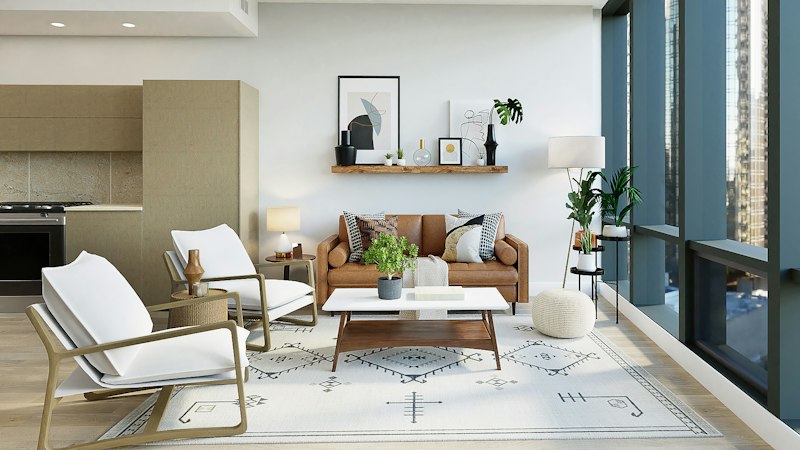
Design rooted in how people actually live

We started Onyx Crag because we noticed a gap between beautiful interiors and functional living.

Interior designer reviewing spatial plans and material samples

Our philosophy

Most interior design follows trends. We follow human behaviour.

A room should support your daily routines, not demand you adapt to it. This means understanding traffic patterns, natural light cycles, and how you actually use your furniture.

We ask questions other designers skip: Where do you drop your keys? Which chair do you actually sit in? When does the light bother you?
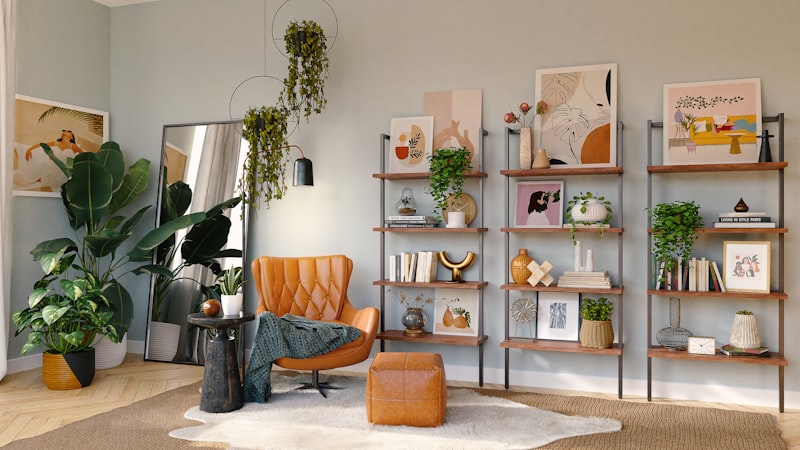
How we approach each project

Observation before intervention

We spend time watching how you interact with your space before suggesting changes. This reveals patterns you might not notice yourself.

Contextual design decisions

What works in a showroom might fail in your home. We account for your specific lighting, architecture, and lifestyle constraints.

Incremental refinement

Large transformations happen through small, deliberate adjustments. This allows you to live with changes before committing further.

What guides our work

We believe good design should be invisible. You should not notice the design; you should notice how comfortable you feel.

This requires restraint. We remove as much as we add. We prioritize function over aesthetics when they conflict, then find ways to make functional choices beautiful.

Our goal is not to create spaces for photographs. It is to create environments where you live better.

Minimalist living space demonstrating functional elegance

Areas of focus

We work primarily with residential clients across Ireland, specializing in spaces where design directly impacts daily quality of life.

Living areas

Designing for both social gathering and individual relaxation within the same space.

Work-from-home integration

Creating productive zones within residential environments without sacrificing comfort.

Small space optimization

Maximizing functionality and perceived spaciousness through strategic design choices.

Sustainable solutions

Prioritizing durable materials and timeless design to reduce replacement cycles.